
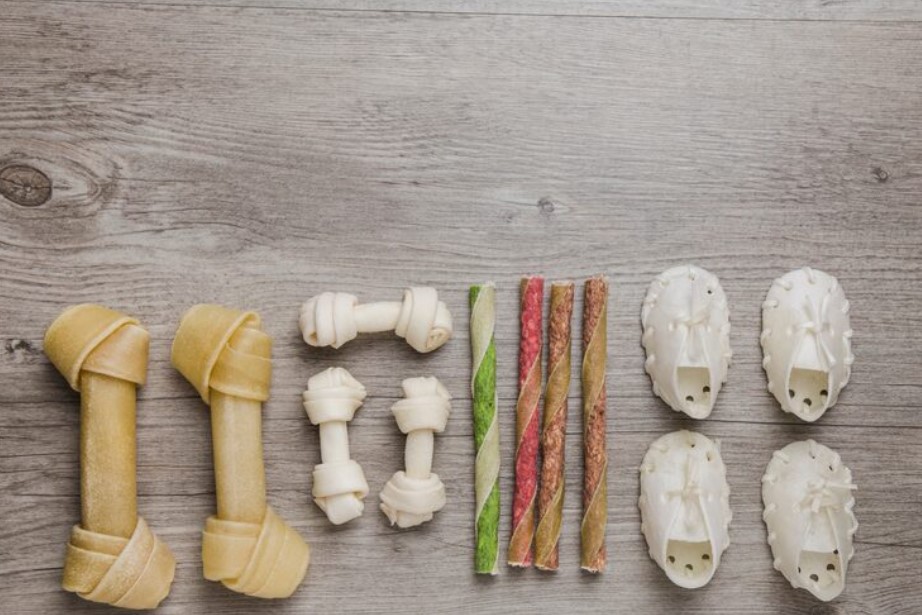
The best bones for dogs are not always real animal bones. While many dogs enjoy chewing, certain bones can create serious risks, including broken teeth, choking, digestive blockages, and injuries. Safer alternatives such as appropriately designed chew products may provide a better option for many dogs.
Choosing bones for dogs requires understanding your dog’s size, chewing style, age, and health needs. A chew that is safe for one dog may be dangerous for another.
Many pet owners also ask, are nylabones safe for dogs? The answer depends on the specific product, your dog’s chewing behavior, and proper supervision. No chew product is completely risk-free.
Are Bones Safe for Dogs?
Bones are not automatically safe for dogs. Some bones may provide chewing enjoyment, but they can also cause injuries and health problems.
Potential risks include:
-
Broken teeth
-
Choking hazards
-
Mouth injuries
-
Intestinal blockages
-
Digestive irritation
-
Bacterial contamination
The Veterinary Centers of America (VCA) warns that bones can damage teeth, cause gastrointestinal obstruction, and create other health risks.
A dog’s chewing behavior matters greatly.
A gentle chewer may interact with a chew differently than a powerful chewer that tries to break and swallow pieces.
Why Do Dogs Like Chewing Bones?
Chewing is a natural behavior for many dogs.
Dogs may chew because it:
-
Provides mental stimulation
-
Helps relieve boredom
-
Satisfies natural chewing instincts
-
Offers entertainment
-
Creates a rewarding activity
Chewing can be especially useful for dogs that spend time alone or need additional enrichment.
However, the goal should be providing a safe chewing experience rather than simply giving any bone available.
What Are the Risks of Real Bones for Dogs?
Real bones can create several problems depending on the type of bone and how the dog chews.
Broken Teeth
Hard bones can be strong enough to crack a dog’s teeth.
This risk is higher with:
-
Large weight-bearing bones
-
Very hard animal bones
-
Aggressive chewing dogs
A broken tooth can be painful and may require veterinary treatment.
Choking and Blockage
Dogs may break off pieces of bone and attempt to swallow them.
Large pieces can become stuck in:
-
The throat
-
Stomach
-
Intestines
Blockages may require emergency veterinary care.
Splintering Problems
Cooked bones are especially concerning because cooking changes their structure and can make them more likely to splinter.
Splintered pieces may cause injuries when swallowed.
The VCA recommends avoiding cooked bones because of these risks.
Are Raw Bones Safer Than Cooked Bones?
Raw bones are often considered by some owners because they may be less likely to splinter compared with cooked bones.
However, raw bones are not risk-free.
Possible concerns include:
-
Broken teeth
-
Choking
-
Digestive blockage
-
Bacterial contamination
-
Food safety concerns
A dog chewing a raw bone should still be supervised.
There is no universal rule that all raw bones are safe for all dogs.
What Are Safer Alternatives to Bones for Dogs?
Many veterinarians recommend choosing chew products designed specifically for dogs instead of giving traditional bones.
Safer alternatives may include:
-
Veterinary-approved dental chews
-
Rubber chew toys
-
Flexible chew products
-
Appropriately sized synthetic chews
The safest option depends on:
-
Dog size
-
Chewing strength
-
Age
-
Health condition
A small puppy and a powerful adult chewer should not receive the same type of chew.
Are Nylabones Safe for Dogs?
Many owners ask, are nylabones safe for dogs?
The answer depends on the specific product and how the dog uses it.
Nylabone offers different chew products designed for different chewing styles, including edible and non-edible options. Owners should follow product size recommendations and replace products when they become too small or worn.
Potential concerns include:
-
Large pieces breaking off
-
Excessive wear
-
Aggressive chewing
-
Swallowing pieces
A dog that aggressively destroys toys may not be a good candidate for certain chew products.
Always supervise your dog when introducing a new chew.
How Do You Choose the Best Bones for Dogs?
When choosing chewing products, consider your dog’s individual characteristics.
Consider Your Dog’s Size
A chew should match your dog’s body size.
A small chew can become a choking hazard for a large dog.
A very large and hard chew may be difficult or unsafe for a small dog.
Consider Chewing Style
Dogs generally fall into different chewing categories:
Gentle Chewers
These dogs slowly enjoy chewing without destroying items quickly.
Moderate Chewers
These dogs chew regularly but do not aggressively break products apart.
Powerful Chewers
These dogs attempt to tear, crack, or destroy most chew items.
Power chewers require extra caution because they may break products into swallowable pieces.
Consider Age
Puppies, adults, and senior dogs may have different chewing needs.
Puppies
Puppies explore the world through their mouths and often need appropriate chew options during teething.
Adult Dogs
Adult dogs may need durable enrichment options based on chewing strength.
Senior Dogs
Older dogs may have dental problems that make very hard chews unsuitable.
Can Bones Clean a Dog’s Teeth?
Chewing may help remove some surface buildup, but bones should not replace proper dental care.
Dental health requires:
-
Regular tooth brushing
-
Veterinary dental checks
-
Appropriate dental products
A dog chewing a bone does not guarantee healthy teeth.
What Makes a Good Dog Chew?
A suitable chew should:
-
Match the dog’s size
-
Match chewing strength
-
Be difficult to break into dangerous pieces
-
Encourage safe chewing
-
Be used with supervision
The World Small Animal Veterinary Association (WSAVA) emphasizes individualized care and considering the whole health picture when making nutrition and wellness decisions.
How Long Should Dogs Chew on Bones or Chew Products?
Chewing time depends on the product and the dog.
Owners should:
-
Follow product instructions
-
Supervise chewing sessions
-
Remove damaged items
-
Replace worn products
A chew that becomes small enough to swallow should be removed immediately.
What Signs Mean You Should Remove a Bone or Chew?
Take away a chew if you notice:
-
Large pieces breaking off
-
Sharp edges developing
-
The product becoming too small
-
Your dog trying to swallow pieces
-
Bleeding gums
-
Broken teeth
Safety should always come before extending chew time.
Common Mistakes When Giving Bones to Dogs
Giving Cooked Bones
Cooked bones can become brittle and dangerous.
Choosing the Wrong Size
A chew that is too small can become a choking risk.
Ignoring Chewing Style
Aggressive chewers need different products than gentle chewers.
Leaving Dogs Unsupervised
Even approved chew products should be monitored.
Assuming Natural Means Safe
A natural bone is not automatically safer than a designed chew product.
What Should You Do If Your Dog Swallows a Bone Piece?
If your dog swallows a large piece of bone or shows signs of distress, contact your veterinarian.
Warning signs include:
-
Vomiting
-
Difficulty breathing
-
Loss of appetite
-
Abdominal pain
-
Lethargy
-
Trouble passing stool
Quick veterinary attention can prevent serious complications.
Frequently Asked Questions About Bones for Dogs
What are the best bones for dogs?
The best bones for dogs are safe, appropriately sized chewing options that match your dog’s chewing style. Many dogs may benefit more from designed chew products than traditional bones.
Are bones safe for puppies?
Many real bones are not recommended for puppies because they can damage developing teeth or create choking risks. Puppies need age-appropriate chew products.
Are nylabones safe for dogs?
Nylabones can be suitable for some dogs when the correct product size is chosen and the dog is supervised. Dogs that destroy and swallow chew pieces may need different options.
Can dogs eat cooked bones?
Cooked bones are generally considered unsafe because they can become brittle and splinter, creating risks for the mouth and digestive system.
Do bones help clean dogs’ teeth?
Chewing may provide some mechanical cleaning, but bones do not replace regular brushing and professional dental care.

