
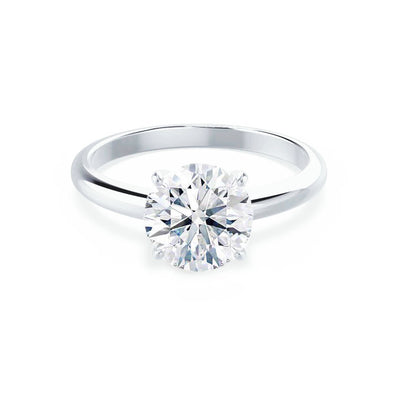
The modern luxury landscape is experiencing a shift that goes far beyond aesthetics, and this shift has been greatly influenced by evolving consumer values and a growing desire for authenticity. In the first wave of this transformation, brands like lily arkwright are already embracing a new direction where craftsmanship, symbolism and conscious choices matter as much as visual appeal. As luxury buyers increasingly seek deeper connections with the pieces they invest in, meaningful design has emerged as a defining element of contemporary high-end fashion.
Luxury fashion was once celebrated primarily for rarity, opulence and exclusivity. While these qualities remain relevant, they are no longer the sole driving forces behind purchasing decisions. Today’s consumers want designs that evoke emotion, tell a story or align with their personal identity. This shift has paved the way for a more thoughtful approach to luxury fashion, where meaning and purpose have begun to shape the creative process.
A significant factor in this evolution is the growing importance of sustainability and ethical production. Modern buyers are more aware of how their choices impact the world, prompting luxury designers to adopt innovative materials, responsible sourcing and environmentally sound manufacturing. These efforts do more than safeguard the planet; they add a narrative of intention and integrity to each piece. When a garment carries a story of mindful creation, it inherently becomes more meaningful to the wearer.
Symbolism is another rising component of meaningful design. Luxury items are now crafted not only to look beautiful but also to represent ideals, culture or personal milestones. Designers are mindful of how patterns, colours and motifs can reflect themes such as empowerment, heritage, unity or resilience. This subtle storytelling allows fashion to evolve beyond a visual language and become a form of expression that resonates deeply with individual experiences.
Craftsmanship, long a cornerstone of luxury, has also taken on renewed significance. Consumers increasingly appreciate the dedication, skill and time invested in high-quality artisan work. When a piece carries evidence of human touch and traditional technique, it acquires emotional value that cannot be replicated by mass production. As a result, the luxury industry is witnessing a revival of artisanal design methods, from hand-stitched embellishments to intricate weaving and bespoke tailoring.
Personalisation has grown into another pillar of meaningful luxury. Brands now offer custom-made pieces that allow buyers to select materials, colours or details that reflect their personal preferences or important moments in their lives. This degree of involvement transforms luxury fashion into a co-creative experience, reinforcing the sense of connection between the wearer and the item.
The rise of meaningful design is also supported by the shift in how consumers define status. Instead of viewing luxury purely as a symbol of wealth, many people now use it as a way to express values, individuality and conscious taste. Owning something thoughtfully designed signals discernment and a deeper understanding of what luxury represents in today’s world.
As storytelling, sustainability, symbolism and craftsmanship continue to shape the industry, meaningful design is becoming more than a trend; it is a cultural movement redefining the future of luxury. This transformation encourages individuals to invest in pieces that not only elevate their style but also enrich their lives through purpose and emotional resonance.