
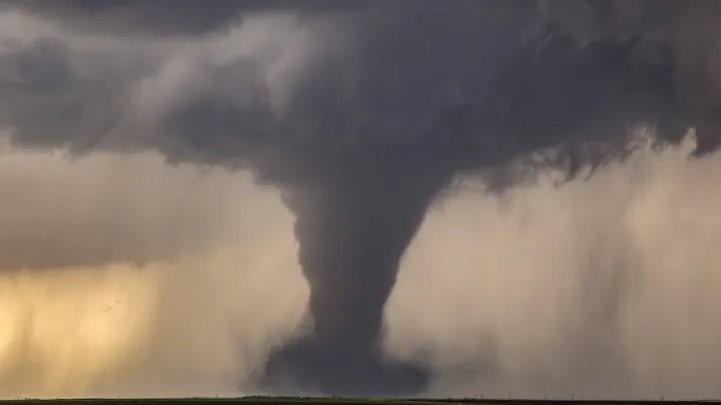
Severe weather trips need more than a free weekend and a camera. Good planning can make a storm tour safer, smoother, and far more useful. Storm chasing tours 2027 can give travelers a close look at how storms form, move, and change. The best trips also teach guests what to watch for before the chase begins. Weather can shift fast, routes can change, and plans may move with the storm. A little preparation helps you stay calm, packed, and ready when the sky starts turning.
Choose The Right Chase Season
Spring is a key time for storm travel across parts of the central United States. Warm air, moisture, and changing winds can create strong storms during this period. Dates are never a promise, though. Weather does not follow a fixed calendar. When choosing a trip, check the planned region, trip length, group size, and guide experience. Tornado chasing tours 2027 should also offer clear safety rules and daily updates. A good operator explains what guests can expect, from long drives and changing routes to quiet periods between active storms.
Pack For Long Days Outside
A storm chase may include hours in a vehicle, short stops, sudden rain, and long waits. Pack light, but cover the basics. Comfortable shoes matter. Bring a light rain jacket, sun protection, water, snacks, and any daily medicines you need. A phone charger or power bank is useful too. Keep your camera gear easy to reach. Weather can change in minutes, and nobody wants to dig through a full bag while a storm is building. A small backpack works well. Add a notebook if you enjoy recording places, times, and weather details.
Learn Basic Storm Safety Rules
Storm tours are exciting, but safety must come first. Learn the difference between a watch and a warning before the trip starts. A watch means conditions may support severe weather. A warning means dangerous weather has been detected or is close to the area. Follow your guide at all times, especially near roads, open land, or fast-moving storms. Never leave the group without clear instructions. Keep away from flood water, power lines, damaged buildings, and fallen trees. Simple choices matter. A good chase is one where everyone returns safely after the weather show ends.
Know What Your Tour Includes
Every storm tour can work a little differently. Read the trip details before booking and check what the price covers. Look for transport, lodging, guide support, meals, and trip duration. Some tours may use hotels in several towns as the chase area changes. Others may follow a set route. Ask about group size, vehicle space, cancellation rules, and what happens when the weather stays quiet. The term storm chasing tours 2027 can cover many styles of trips, so details matter. Clear information helps you choose a tour that fits your budget, time, and comfort level.
Prepare For Changing Chase Routes
A storm chase is not a normal sightseeing trip. The route may change because storms develop in a different place, weaken, or move faster than expected. That is part of the process. Good guides watch radar, forecasts, road conditions, and storm reports before making route choices. Guests should stay flexible and avoid planning strict side trips during the chase. A delayed meal or later hotel arrival can happen. Carry water, keep your phone charged, and stay aware of updates. The goal is not to force the weather to match your plan.
Build A Smarter Chase Experience
Preparation can make the trip more enjoyable from the first morning to the final drive. Learn a few basic weather terms, charge your devices each night, and keep important items close. Take notes during the journey, not just photos. You may notice cloud shapes, wind shifts, lightning patterns, and changes in the landscape. Those small details can make the experience more memorable. Travelers joining storm chasing tours in 2027 should also allow some patience. Storms may arrive late, move away, or fail to form. Nature sets the schedule, not the clock.
Conclusion
A well-planned storm trip combines weather knowledge, flexible thinking, safe habits, and good preparation. Packing the right items is useful, but understanding the nature of severe weather matters even more. Travelers should choose experienced guides, read tour details, follow safety instructions, and stay ready for route changes. A storm chase may include long drives and quiet hours, followed by a few intense minutes that make the whole journey worthwhile. For those planning ahead, stormchasing.com can be a useful starting point for learning more about future chase experiences and preparing for the season.
