Restaurant flooring is tested most heavily when the dining room is closed and the back-of-house cleaning cycle begins. During service, employees may work around wet spots, worn areas, or damaged edges without stopping to examine them. At closing time, however, wash water, degreasers, carts, and cleaning equipment move across the entire kitchen. These routines often reveal where drainage is weak, where texture is difficult to clean, and where coating damage is beginning. Paying attention to those patterns can help operators identify flooring issues before they turn into larger repairs.
Watch Where Water Collects
The direction that cleaning water travels can reveal a lot about the floor. Areas that repeatedly remain wet after surrounding sections have drained may contain low spots, worn transitions, or poorly positioned drainage.
Standing water is not always a coating problem. The underlying concrete slope and drain layout can play a major role. Managers should note where water pools after routine sanitation and whether employees need to push it manually toward drains.
Those observations can become useful information when the floor is eventually repaired or resurfaced.
Cleaning Effort Is a Useful Warning Sign
A section that consistently takes longer to scrub may have more texture, surface damage, or contamination than neighboring areas. Grease can also collect around cooking equipment, doorways, and floor-wall transitions.
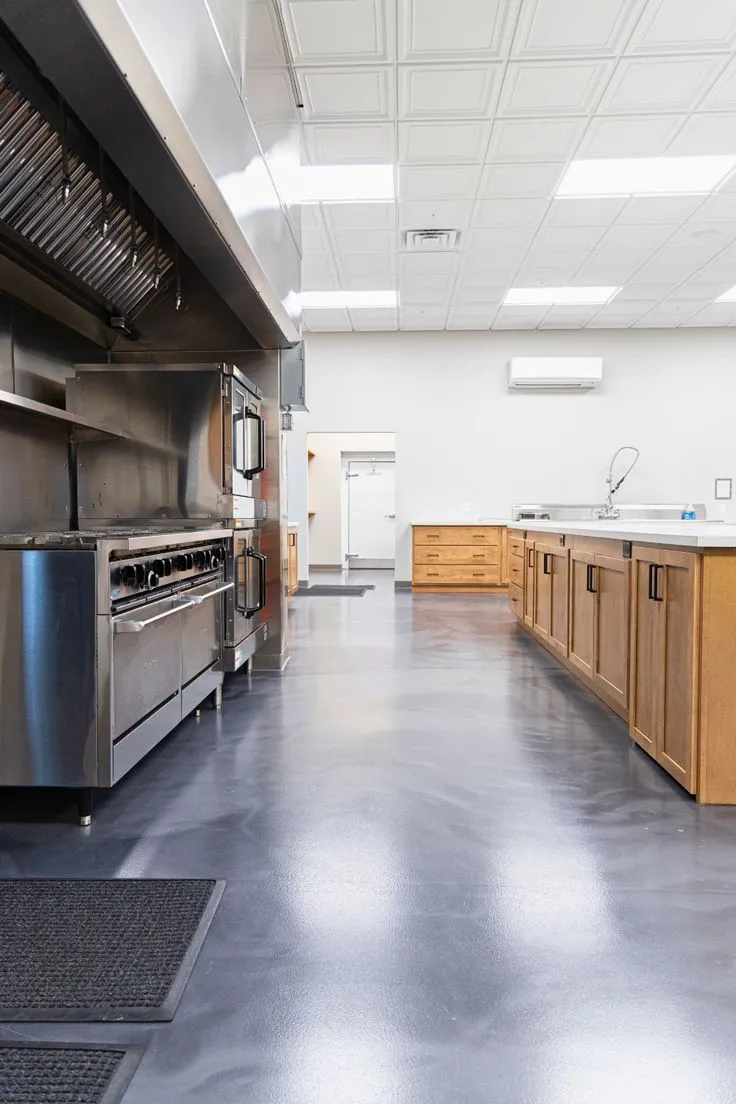
Operators researching Restaurant Kitchen Flooring Nj should consider how easy the existing surface is to maintain during real closing procedures. A flooring system should support sanitation without creating unnecessary labor because the finish is excessively rough or difficult to rinse.
The best texture is usually a balance between traction and cleanability.
Inspect Around Equipment After Cleaning
Closing routines often expose the edges around fryers, refrigerators, prep tables, dishwashers, and shelving. These areas can collect moisture and debris that are difficult to notice during a busy shift.
Managers should look for chipped coating, open cracks, staining, or worn transitions around equipment bases. Small defects can allow repeated moisture and cleaning chemicals to reach the concrete underneath.
If movable equipment can be shifted safely during scheduled maintenance, hidden sections of floor may also deserve inspection.
Drains Need More Than Routine Cleaning
Floor drains are cleaned regularly, but the concrete and coating around them should also be checked. Cracked edges, deteriorated patches, or separation between the drain and surrounding floor can create difficult sanitation points.
Facilities comparing Epoxy Restaurants Flooring Services Nj should ask how drain transitions will be prepared and detailed during a future flooring project. Resinous flooring can create a continuous finish, but damaged concrete around the drain should be repaired first.
The goal is to improve both drainage performance and maintainability.
Look at Doorways and Cart Paths
After service, racks, waste containers, carts, and cleaning tools often travel through the same narrow routes. These repeated movements can highlight rough thresholds and worn traffic lines.
Doorways may show chipped edges sooner than open floor areas because wheels repeatedly strike the same transition. If employees notice carts jolting or catching at specific points, those locations should be documented.
A simple maintenance log can help show whether the damage is stable or gradually increasing.
Check Floor-to-Wall Edges
Wall edges are easy to ignore during normal operations, yet closing crews often discover where grease, food residue, or moisture accumulates along the perimeter.
Sharp corners or deteriorated sealant can make cleaning more difficult. In some food-service settings, cove-base details can create smoother transitions between the floor and wall.
Any new flooring plan should consider these edges together with the main walking surface rather than treating them as separate finishing details.
Use Closing Staff as an Information Source
Employees who clean the kitchen every night often know which floor areas cause the most trouble. They can identify spots that stay wet, trap grease, require repeated scrubbing, or feel unusually slippery.
Managers should include this practical feedback when planning repairs. A visual inspection during daytime hours may miss problems that become obvious only during sanitation.
Combining staff observations with contractor assessment can lead to a flooring specification based on actual operations.
Conclusion
Nightly cleaning is more than a sanitation routine; it is also a useful inspection opportunity. Water movement, difficult-to-clean sections, worn thresholds, drain edges, equipment bases, and perimeter conditions can all reveal how the floor is performing under daily use.
Restaurant operators who pay attention to these patterns can address small defects earlier and provide contractors with better information when resurfacing becomes necessary. A floor designed around real cleaning behavior, traffic, drainage, and maintenance needs is more likely to support a busy commercial kitchen over the long term.